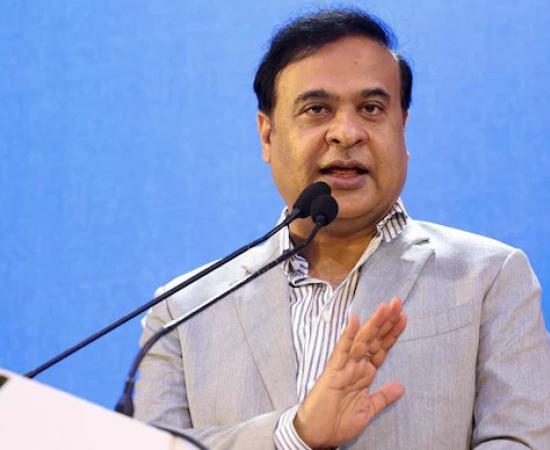


BJP MP Parimal Suklabaidya on Monday said the long-standing issues faced by Assam’s tea garden community began to be addressed only after 2014, crediting the Centre and the state government for ushering in targeted reforms in the sector.
Addressing the 125th Annual General Meeting of the Surma Valley Branch of the Indian Tea Association (SVBITA) in Silchar, Suklabaidya alleged that the tea garden belt had suffered from “decades of neglect” under previous regimes. He maintained that focused policy attention over the past decade has improved welfare delivery and infrastructure in tea-growing regions.
The MP said initiatives rolled out by the Centre since 2014 and the Assam government since 2016 have prioritised housing, healthcare, wage support, food security and connectivity for tea garden workers. He added that better rail, road and air links have strengthened the tea industry’s export prospects.
Highlighting social protection measures, Suklabaidya pointed to the expansion of mobile medical units and coverage of eligible tea garden families under Ayushman Bharat, which provides health insurance of up to ₹5 lakh per family annually.
Taking a political swipe at the Indian National Congress, he accused earlier governments of showing indifference toward tea workers, while asserting that the present dispensation has adopted a more focused governance approach.
Meanwhile, SVBITA chairman Ishwar Bhai Ubhadiya flagged structural challenges facing the tea industry. While noting that India exported about 280.40 million kg of tea in 2025, earning roughly ₹8,488 crore, he expressed concern that nearly 40 million kg comprised low-cost imported teas that were blended and re-exported, potentially affecting the credibility of the “India origin” tag.
Ubhadiya said the Barak Valley produces around 37 million kg of tea annually—about 6.5 per cent of Assam’s output—but continues to face constraints such as high transportation costs, power disruptions, fertiliser shortages and rising input prices.
He added that tea garden wages have risen by nearly 140 per cent between 2015 and 2025. While calling the increase morally justified, he stressed the need to boost productivity and adopt scientific cost management practices to keep the industry competitive.
The SVBITA chairman also called for stricter adherence to pesticide norms and greater adoption of advanced technologies, including AI-based precision agriculture and satellite crop monitoring, to meet tightening global quality standards and sustain export growth.
- Log in to post comments