
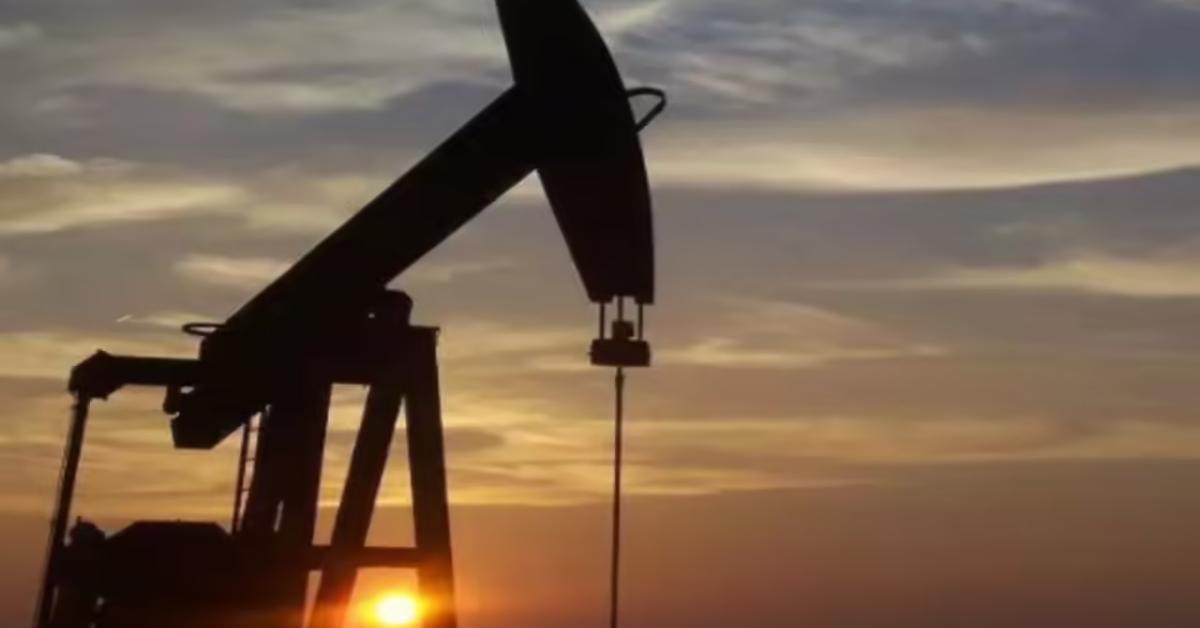

Long before offshore rigs and massive oilfields powered India’s energy sector, the country’s petroleum journey began in the quiet town of Digboi. Often referred to as the birthplace of India’s oil industry, Digboi’s early discoveries not only marked the beginning of commercial oil production but also paved the way for exploration across the country.
India’s first successful oil well was drilled in Digboi in the late 19th century, with commercial production beginning in 1889. The establishment of Asia’s first refinery in 1901 further cemented Assam’s central role in the evolution of the nation’s hydrocarbon sector. These early developments demonstrated the presence of petroleum reserves in India, triggering systematic exploration in other regions.
Today, oil wells in India are spread across multiple regions, with significant production coming from both onshore and offshore fields. In the Northeast, Assam continues to be a key contributor, with major oilfields located in Duliajan, Moran, and Naharkatiya. These fields are primarily operated by Oil India Limited and remain among the oldest producing sites in the country.
Beyond Assam, India’s largest oil-producing region lies offshore in the Arabian Sea at Mumbai High, discovered in 1974 by Oil and Natural Gas Corporation. This offshore basin significantly boosted national production and reduced dependence on imports.
Onshore oil production also expanded to western India, particularly in Gujarat’s Cambay Basin, which includes key fields such as Ankleshwar and Mehsana. In the south, exploration in the Krishna-Godavari and Cauvery basins further diversified India’s energy map, with both regions contributing to oil and gas output.
Experts note that the success of early drilling efforts in Assam played a decisive role in shaping India’s petroleum policy and infrastructure. The discovery in Digboi not only led to the development of refineries, pipelines, and skilled manpower but also inspired the government to establish dedicated institutions like ONGC in 1956 to accelerate exploration efforts nationwide.
Despite the emergence of newer and larger oilfields, Assam’s legacy remains foundational. The state’s pioneering role continues to be acknowledged as the starting point of India’s oil exploration story—one that has since expanded from a single well in Digboi to a vast network of oilfields across land and sea.
As India looks to balance energy security with sustainable alternatives, the historical significance of Assam’s oil discovery serves as a reminder of how a small town’s resource find transformed the country’s industrial trajectory.
- Log in to post comments