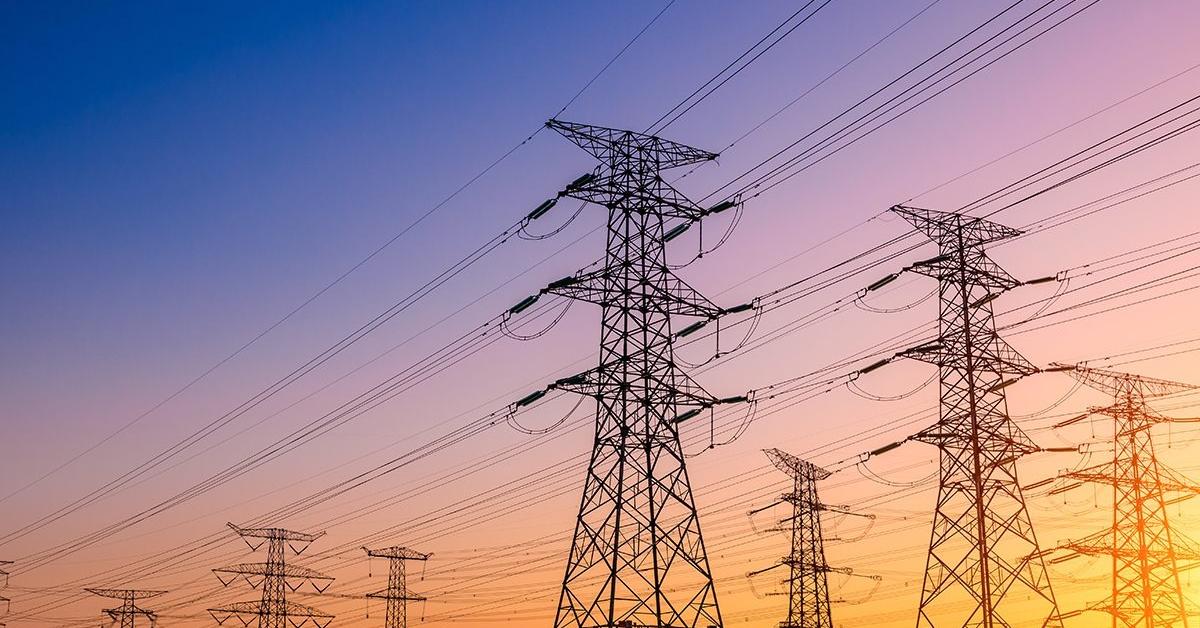

After remaining without power for more than seven decades since India’s Independence, a remote border village in Assam’s Dhubri district has finally been electrified, marking a historic moment for its residents. The village, Choto Pokalagi, located along the Assam–West Bengal border, was connected to electricity for the first time due to long-standing geographical and administrative challenges that had kept it off the power grid.
Officials said the village’s isolation—surrounded on three sides by West Bengal territory—had made it technically difficult to extend electricity lines from Assam. Over the years, this led to repeated delays despite demands from villagers and local representatives. The breakthrough came after coordinated efforts between the Assam Power Distribution Company Limited (APDCL) and the West Bengal electricity authorities, who facilitated the supply of power across the border under a special inter-state arrangement.
The electrification was carried out under the Revamped Distribution Sector Scheme (RDSS), with the installation of transformers and distribution lines to ensure stable power supply. More than 100 households have now been brought under the electricity network, ending decades of reliance on kerosene lamps and other temporary sources of light.
Residents described the arrival of electricity as an emotional and transformative moment, saying it would significantly improve education, healthcare access, communication, and overall quality of life. Students can now study after sunset, while households are able to use basic electrical appliances for the first time.
Local administration officials termed the development a milestone for inclusive development in border and remote areas, noting that the project could serve as a model for electrifying other geographically isolated villages in the region.
- Log in to post comments