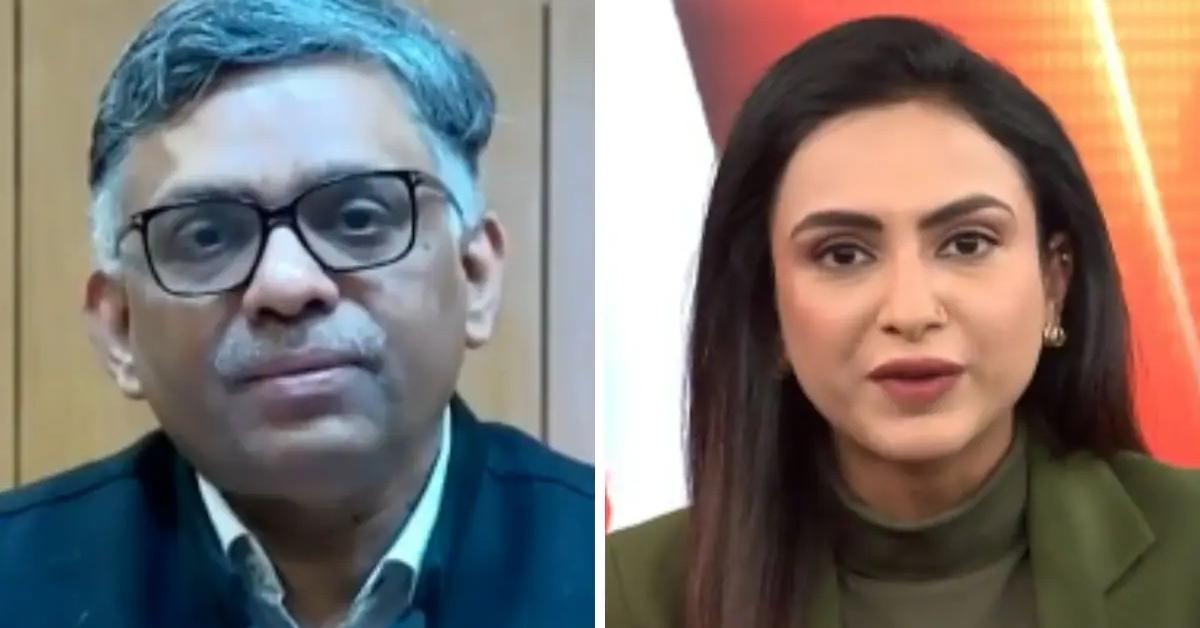

As concerns grow among farmer groups over the proposed India-US trade agreement, Amul Managing Director Jayen Mehta on Sunday sought to allay fears, asserting that trade negotiations are a “two-way thing” and that Indian farmers’ interests, particularly in the dairy sector, remain protected.
Responding to apprehensions that the deal could open the floodgates to cheap agricultural and dairy imports, Mehta said India has safeguarded sensitive sectors and ensured that any concessions are balanced by gains for domestic producers. He stressed that Indian dairy farmers are unlikely to be affected, noting that the country is largely self-sufficient in milk production and cattle feed. Amul, he said, produces sufficient cattle feed domestically and does not foresee imports displacing local products.
Mehta also highlighted that trade agreements are negotiated to benefit both sides and should be viewed in terms of overall market access and export opportunities. According to him, reduced tariffs in overseas markets could help Indian agricultural products gain better entry, potentially improving farmers’ incomes rather than harming them.
The Amul chief’s remarks come amid mounting criticism from farmer unions, including the Samyukt Kisan Morcha, which have accused the government of compromising farmers’ interests and announced protests against the proposed agreement. Opposition leaders have echoed these concerns, warning that increased exposure to global competition could adversely affect small and marginal farmers.
The Union government, however, has repeatedly maintained that the trade deal fully protects Indian agriculture. Ministers have said that sensitive items such as dairy products and major food staples have been excluded from tariff concessions, while the agreement focuses on expanding export opportunities for Indian goods.
As negotiations enter a crucial stage, the debate over the impact of global trade agreements on Indian farmers continues to intensify, with industry leaders like Amul backing the government’s assurances even as farmer groups remain unconvinced.
- Log in to post comments